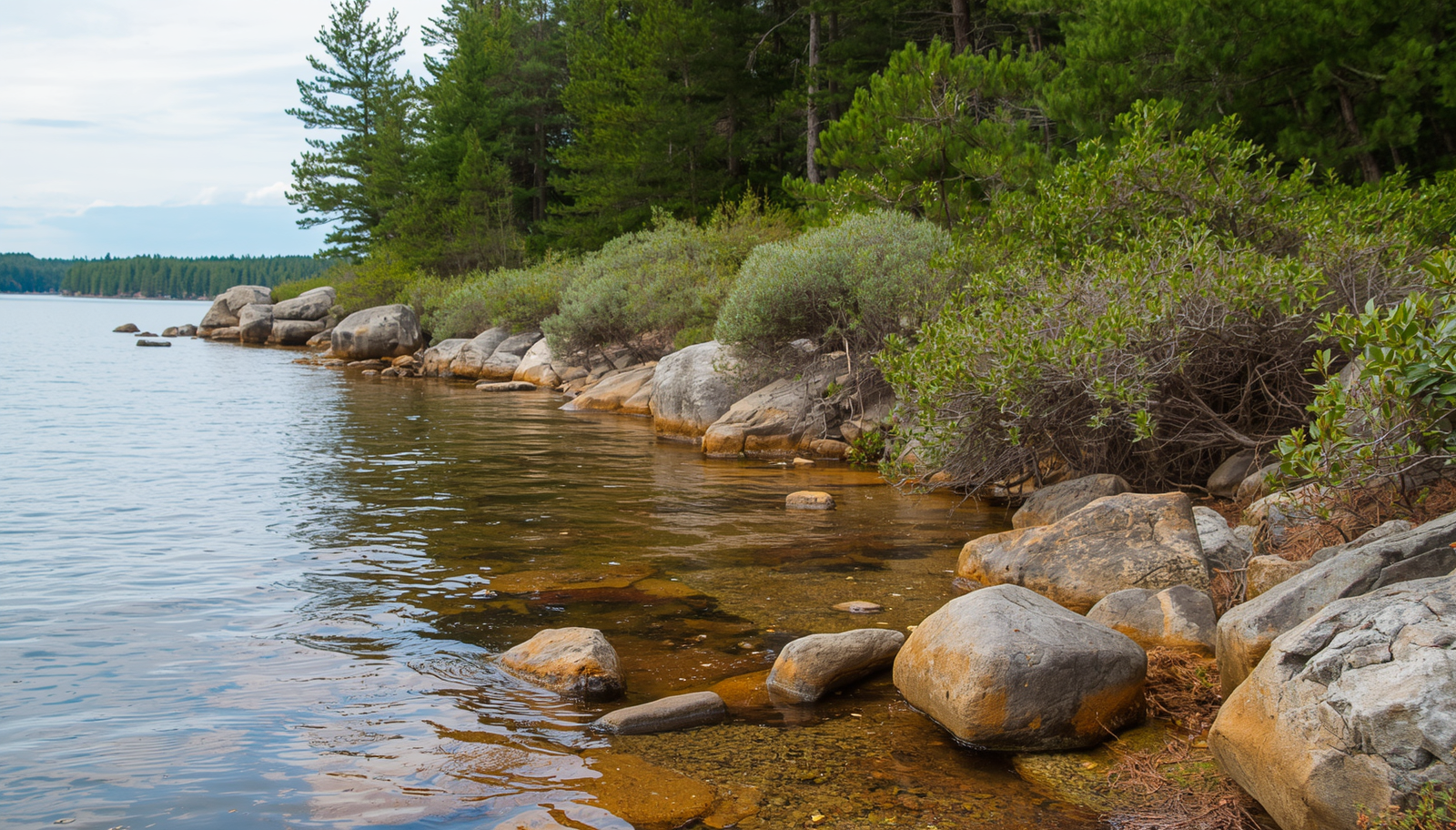
The Green Waterfront: A Guide to Eco-Friendly Shoreline Protection in Muskoka
If you are lucky enough to own a piece of the Muskoka waterfront, you know that the shoreline is the most valuable part of your property. It is where you watch the sunrise, launch your boats, and swim on hot July afternoons. However, Muskoka’s shorelines are under constant pressure. Increased boat traffic, wake energy, heavy spring runoff, and changing climate patterns are accelerating shoreline erosion. While the traditional response was to build heavy concrete or armor stone retaining walls, we now know these structures can actually harm the lake ecosystem. Today, eco-friendly shoreline protection—often called "soft shoreline engineering" or "naturalization"—is the best way to protect both your property value and the health of the lake. Here is how you can preserve your Muskoka shoreline sustainably.
The Problem with Traditional Retaining Walls
For decades, concrete walls and massive armor stone barriers were the go-to solutions for erosion. While they look solid, they create a "bathtub effect. "When a boat wake hits a hard vertical wall, the wave energy doesn't dissipate. Instead, it ricochets downward and outward. This scours the lakebed, destroys fish spawning habitats, and channels the destructive energy directly to your neighbor's shoreline. Over time, the water undermines the bottom of the wall, causing it to crack, lean, and eventually fail.
1. The Power of Shoreline Naturalization (The "Ribbon of Life")
The most effective and eco-friendly tool against erosion is nature itself. The first 10 to 15 meters of land stretching back from the water’s edge is known as the "Ribbon of Life." It is home to 90% of all lake life. Leave it Wild: The easiest step is to simply stop mowing your lawn right down to the water's edge. Let a buffer strip of natural grasses, shrubs, and wildflowers grow. Deep Root Systems: Unlike manicured grass (which has roots only a few inches deep), native wild plants have deep, webbed root systems that knit the soil together like biological rebar, holding your shoreline firmly in place against waves and ice.
2. Plant Native Muskoka Species
If your shoreline has already been cleared or is actively eroding, you can manually replant it. Native species are adapted to Muskoka’s acidic soil, harsh winters, and spring flooding. Shrubs: Sweetgale, Red Osier Dogwood, and Highbush Cranberry are incredible for shorelines. They love wet feet, bend easily under ice pressure without snapping, and aggressively stabilize soil. Perennials: Blue Flag Iris, Joe-Pye Weed, and Swamp Milkweed add stunning bursts of color while attracting native pollinators and butterflies. Trees: Eastern White Cedar and Tamarack are excellent choices for the upper bank of your shoreline.
3. Use "Live Staking" and Coir Logs for Active Erosion
If you have a steep slope or an area experiencing active erosion, you can use biodegradable materials to give nature a helping hand while plants take root. Coir Logs: These are long, dense cylinders made from coconut fiber. They are staked into the shoreline at the water's edge to absorb wave energy and trap sediment. You can plant native shrubs directly into the logs. By the time the coconut fiber decomposes in a few years, the plants will have established a permanent root system. Live Staking: This involves inserting live, dormant branch cuttings (usually Willow or Dogwood) directly into the muddy bank. These stakes will quickly grow roots and leaves, creating a living wall of defense.
4. Rip-Rap (Rock Blanket) Instead of Vertical Walls
If your shoreline faces a wide-open lake with intense wind and heavy boat wakes, vegetation alone might not be enough. In these high-energy zones, rip-rap is the eco-friendly alternative to stone walls. Rip-rap consists of a sloped layer of clean, variably sized rocks (usually angular granite) placed along the shoreline. Why it works: The gaps between the uneven rocks absorb and break up wave energy rather than reflecting it.Eco-benefit: Small fish, frogs, and beneficial insects can use the spaces between the rocks for shelter, maintaining a healthy shoreline food chain.
Quick Note on Muskoka Regulations
Before you touch your shoreline, remember that the waterfront is highly protected. In Muskoka, work at the water's edge often requires permits from your local township, the District of Muskoka, or the Ministry of Natural Resources and Forestry (MNRF).While building a concrete retaining wall can trigger a lengthy and difficult approval process, eco-friendly solutions like shoreline naturalization and minor rip-rap placement are highly encouraged by local authorities and are often much easier to get permitted.
Protect Your Investment and Our Lakes
A naturalized shoreline doesn't mean an overgrown, messy waterfront. It can be beautifully landscaped with stone pathways, clear viewing corridors, and designated dock areas. By choosing eco-friendly protection, you ensure that the lake remains clean, clear, and beautiful for generations of cottagers to come. Thinking about buying or selling a Muskoka property this season? Working with an agent who understands waterfront regulations, septic systems, and shoreline preservation is crucial. Contact me today to discuss how we can maximize your property's value while respecting the beautiful Muskoka environment.