Navigating Muskoka Boathouse Regulations: What Cottage Owners Need to Know
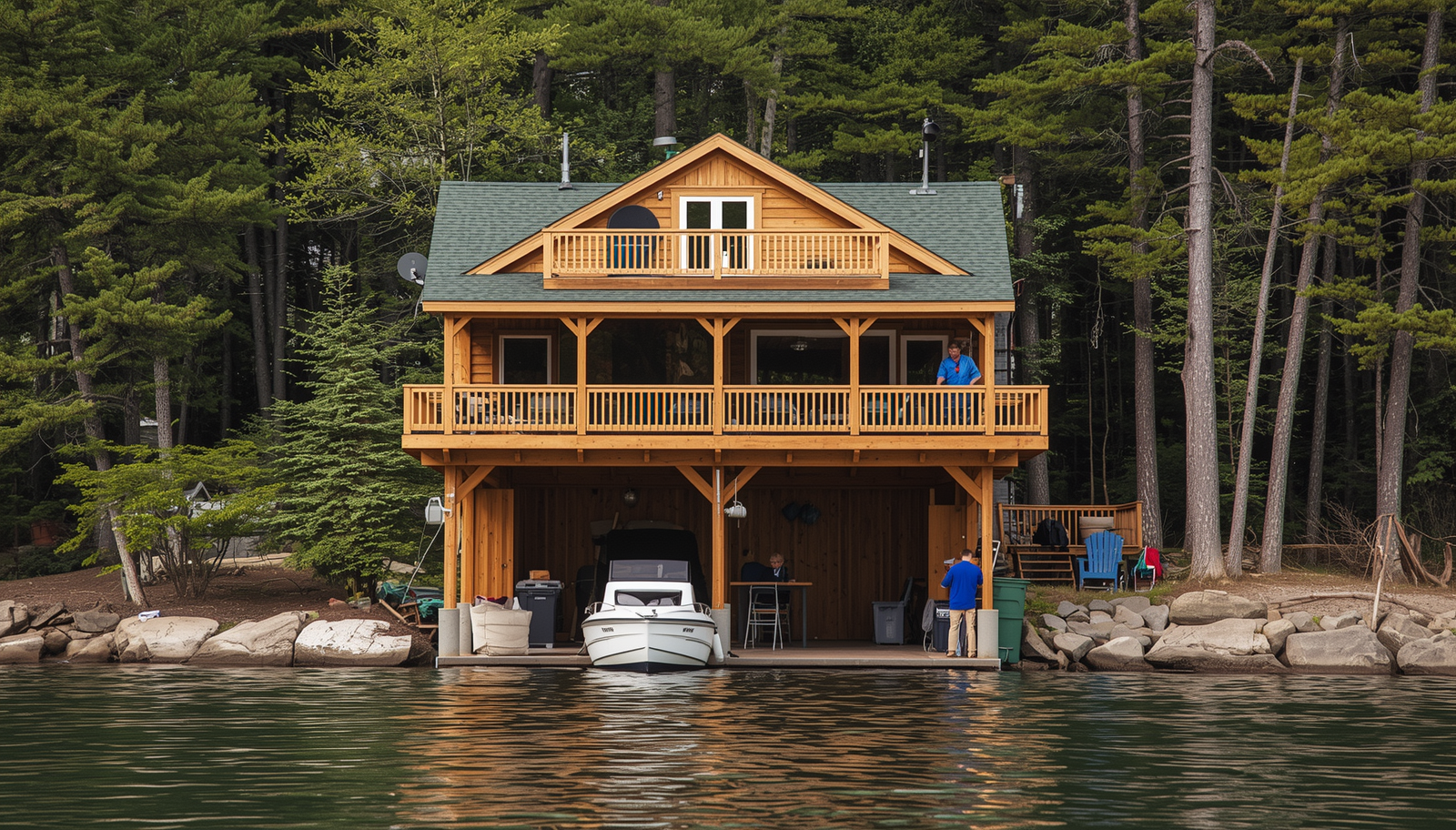
In Muskoka, a boathouse is more than just a place to park your watercraft—it is the ultimate symbol of lakeside living and a massive driver of property value. Whether you dream of a sleek single-story structure or a sprawling two-story build with a rooftop sundrenched deck, building on the water isn't like building on land. Shoreline construction is heavily protected to preserve the "visual massing" of the lakes and safeguard aquatic ecosystems. Because rules vary drastically depending on your specific township, lake, and frontage, navigating the legal waters can be challenging. Avoid compliance issues by reviewing this essential guide to Muskoka boathouse regulations.1. The Frontage Threshold: How Big Can You Go?
Your ability to build a boathouse—and its ultimate scale—is dictated almost entirely by your property's straight-line water frontage. Single-Story Limits: Generally, to build a basic single-story boathouse, municipalities require a minimum amount of lot frontage (often starting around 100 to 200 feet depending on the waterbody).The 300-Foot Rule for Two Stories: If you want a double-decker boathouse, you need space. In the Township of Muskoka Lakes (which includes Lake Muskoka, Lake Rosseau, and Lake Joseph), two-story boathouses are strictly forbidden on properties with less than 300 feet (91.4 meters) of frontage. The Sliding Scale: Municipalities like the Township of Lake of Bays utilize a sliding scale. The more linear frontage you own, the larger your total allowable structure footprint and cumulative dock width can be.
2. Height Restrictions and "Visual Massing "To prevent towering structures from blocking neighbor views and dominating the natural tree line, strict height limits are enforced.
Standard Single-Story: On standard lots, single-story boathouses are capped at a maximum height of 16 feet (4.9 meters). Two-Story Caps: For properties that qualify for a two-story build, the absolute maximum height is capped at 25 feet (7.6 meters). Recent Slashing of Widths: Be aware that recent local zoning bylaw updates aim to reduce the visual footprint of these structures. Recent updates restrict second-story widths from 13% down to 11% of the lot frontage to preserve the natural aesthetic of the shoreline.
3. Living Quarters: Sleeping Cabins vs. Entertaining Spaces
Can you sleep in your boathouse? The answer depends entirely on your exact address. The Township of Muskoka Lakes Exception: This is the only municipality in the region that permits a legal sleeping cabin (maximum 650 square feet) to be built on the second story of a boathouse, provided all frontage requirements are met. Strict Prohibitions Elsewhere: In areas like Huntsville and Lake of Bays, second-story living spaces are strictly non-residential. You can build an open sundeck or an enclosed storage/recreation room, but no bedrooms, kitchens, or fireplaces are permitted under any circumstances.
4. Setbacks and Property Lines
You cannot build a boathouse right up against your neighbor's water boundaries. Side-yard setbacks are strictly monitored. A standard single-story boathouse must be set back at least 30 feet (9.1 meters) from the straight-line projection of your side property lines into the water. If your design incorporates a rooftop sundeck or a second story, that required side-yard setback increases to 45 feet (13.7 meters) to protect the privacy of neighboring docks.
5. Multi-Jurisdictional Approvals (The Permit Trail)
Building a boathouse requires crossing a complex web of provincial and municipal regulatory bodies: Local Municipality: For building permits and zoning compliance (e.g., footings, framing, height).Ministry of Natural Resources and Forestry (MNRF): Because the lakebed is Crown Land, any structure that touches or anchors into the lake bottom requires provincial review. Department of Fisheries and Oceans (DFO): Federal oversight ensures your cribs or pipes do not permanently disrupt critical fish spawning habitats.
Grandfathered Real Estate: A Crucial Note for Buyers
If you are shopping for a Muskoka cottage and find a property with a massive, historic two-story boathouse on a small 100-foot lot, that structure is considered "legal non-complying" (or grandfathered). You are legally allowed to maintain and repair it. However, if you tear it down entirely or try to expand it, you lose those grandfathered rights and must conform to current, stricter modern bylaws. Work With an Expert
Before buying a cottage with the intention of building a boathouse, or before hiring a contractor to sketch out your dream design, ensure you review the exact zoning maps for your parcel. Planning a waterfront project or looking for a property with excellent building potential? Contact me today to help you decode local shoreline bylaws and find the perfect Muskoka property that aligns with your vision!
Before buying a cottage with the intention of building a boathouse, or before hiring a contractor to sketch out your dream design, ensure you review the exact zoning maps for your parcel. Planning a waterfront project or looking for a property with excellent building potential? Contact me today to help you decode local shoreline bylaws and find the perfect Muskoka property that aligns with your vision!